Regional Leadership & Development

From the political heartland of Uttar Pradesh to the mineral-rich governance landscape of Jharkhand — a leadership journey defined by regional development, public engagement, and inclusive growth.

The Political Heartland

Uttar Pradesh — India's most politically significant state, with the largest parliamentary delegation and a history of shaping national political outcomes — has been the foundational landscape of Santosh Kumar Gangwar's political career. The state's extraordinary demographic, cultural, and socio-economic diversity creates governance challenges that few other regions in the world can match. With a population exceeding 200 million, Uttar Pradesh is essentially a nation within a nation.

Gangwar's political career in UP was centred on Bareilly — a city with deep historical and cultural significance in the Rohilkhand region. Bareilly's unique character, blending Mughal-era heritage with modern industrial aspirations, presented a microcosm of the governance challenges that define India's tier-two cities: infrastructure modernization, industrial development, educational access, healthcare delivery, and the management of rapid urbanization.

His three-decade representation of Bareilly was not merely electoral — it was deeply developmental. Under his parliamentary tenure, the constituency witnessed significant improvements in road connectivity, educational institutional growth, healthcare facility expansion, and industrial development. His ability to navigate both state-level political dynamics and national policy frameworks to channel resources towards Bareilly's development demonstrated a rare combination of local commitment and national influence.
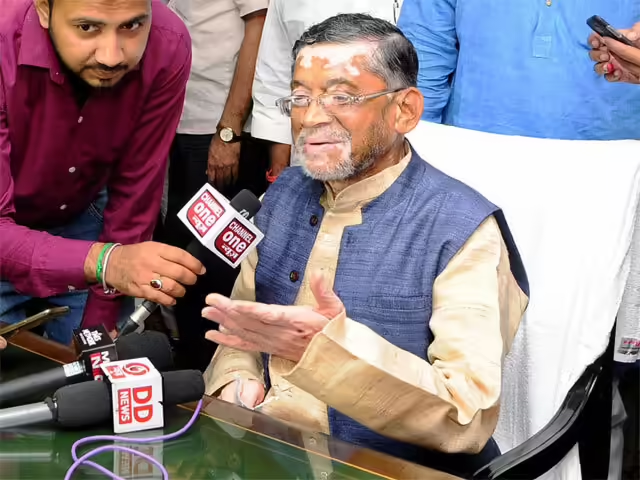
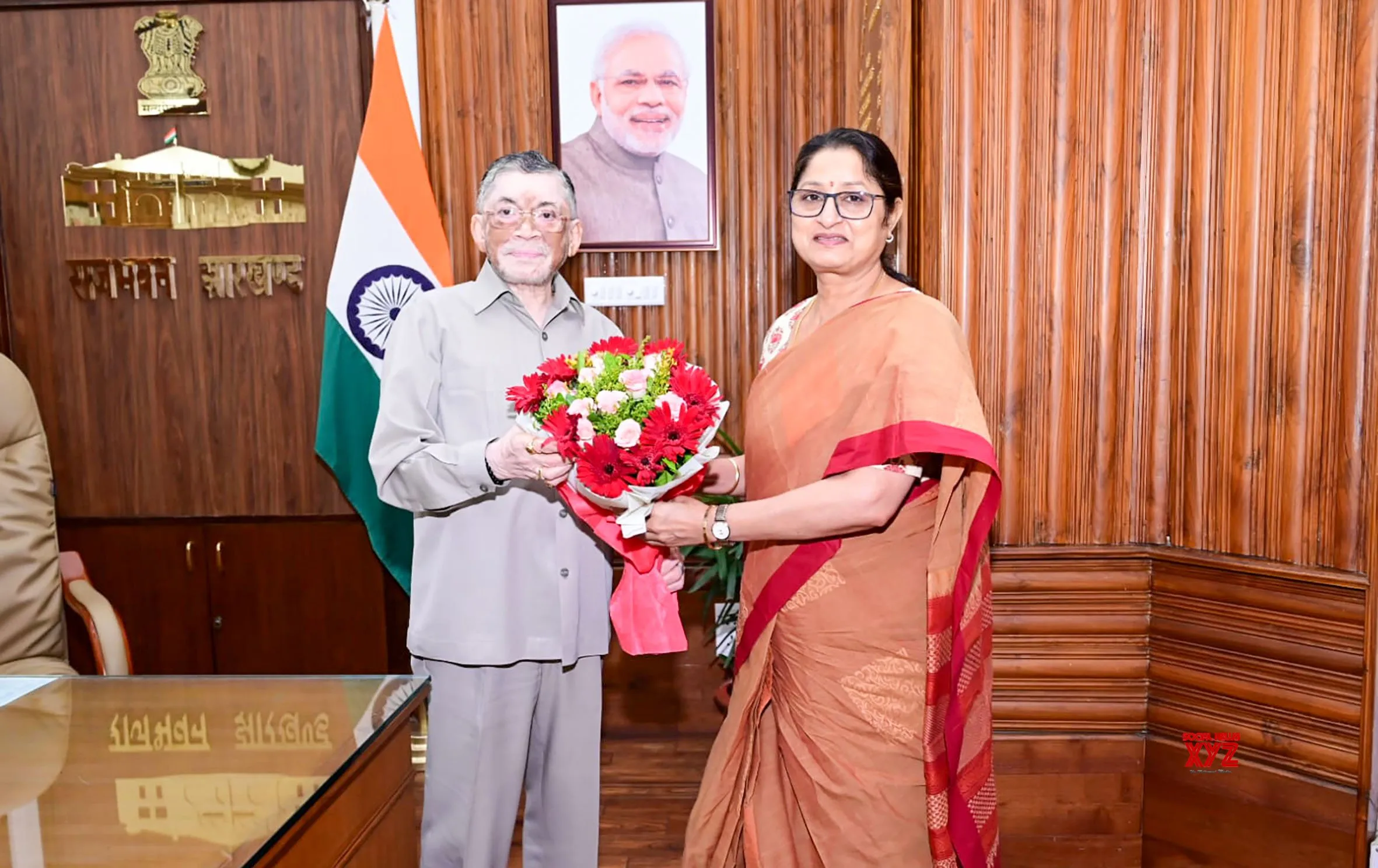
Gangwar in regional leadership

Leading a State of Contrasts

Jharkhand represents one of India's most fascinating governance paradoxes. The state sits atop approximately 40% of Indian mineral reserves — including coal, iron ore, copper, and uranium — yet a significant portion of its population lives below the poverty line. The state's tribal communities, who constitute approximately 26% of the population, face particular challenges in accessing education, healthcare, and economic opportunities.

As Governor, Gangwar's regional leadership in Jharkhand has focused on several critical dimensions. First, the strengthening of institutional governance mechanisms to ensure that the state's administrative machinery functions with efficiency and accountability. Second, the promotion of educational development through his role as Chancellor of state universities, with particular emphasis on vocational training and skill development aligned with the state's industrial potential.

Third, his engagement with tribal welfare — a constitutionally mandated responsibility of the Governor in states with significant tribal populations. The Fifth Schedule provisions of the Indian Constitution vest specific responsibilities in the Governor regarding the administration of Scheduled Areas, and Gangwar has taken an active interest in ensuring that tribal rights, land protections, and cultural preservation are upheld alongside developmental interventions.

His approach to Jharkhand's governance reflects the wisdom gained from decades of understanding India's development challenges — recognizing that sustainable progress requires not just economic growth but equitable distribution, institutional strength, and genuine engagement with the aspirations of all sections of society.

Jharkhand governance

Regional Development Priorities

Educational Development

Active engagement with state universities and educational institutions to improve academic standards, expand research capabilities, and create skill development programs aligned with Jharkhand's industrial potential and the national education framework.

Tribal Empowerment

Constitutional stewardship of tribal welfare through oversight of Fifth Schedule provisions, protection of tribal lands and cultural rights, and promotion of inclusive development that preserves indigenous heritage while expanding economic opportunities.

Resource Governance

Ensuring that Jharkhand's vast mineral wealth translates into tangible benefits for the state's population through transparent resource governance, sustainable mining practices, and equitable distribution of resource-derived revenues.