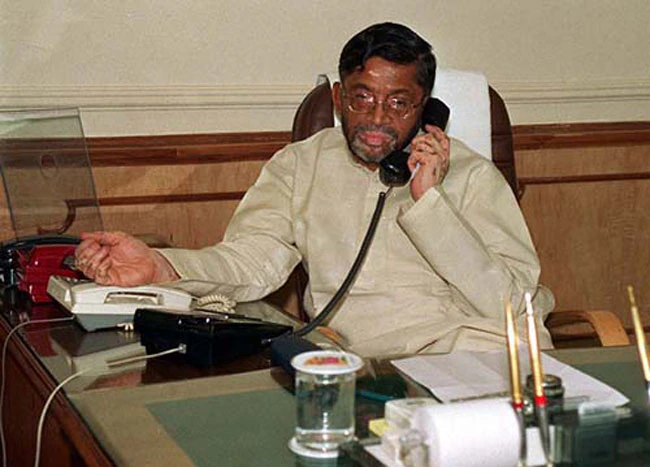
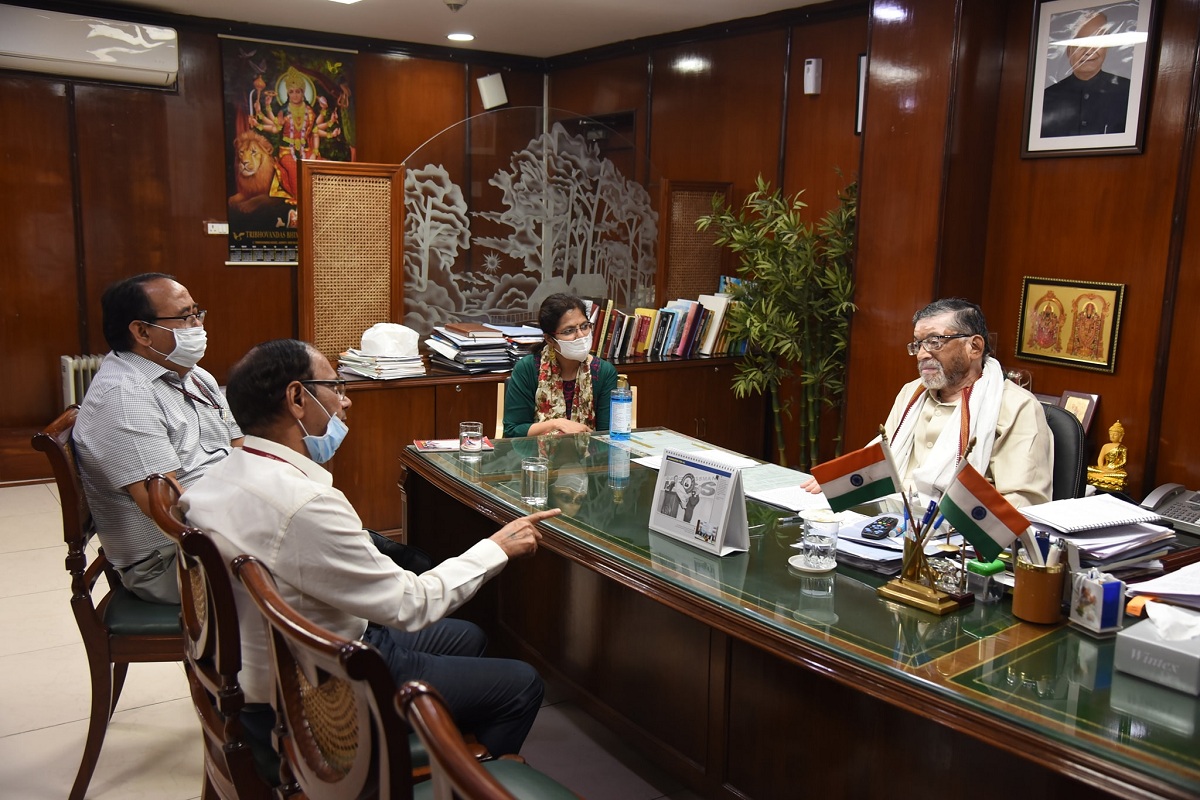
A life dedicated to public service — from the heartland of Uttar Pradesh to the highest constitutional office in Jharkhand, spanning over five decades of political leadership, legislative excellence, and governance reform.
Santosh Kumar Gangwar was born on 1 November 1948 in the culturally rich expanse of Uttar Pradesh, a state that has historically shaped India's political and social fabric. Growing up in a milieu where public service was not merely a career choice but a deeply held familial and cultural value, young Gangwar was exposed early to the dynamics of community leadership and civic responsibility.
His formative years were defined by the post-independence ethos of nation-building. The values of discipline, education, and social equity that pervaded his upbringing would later manifest in his approach to governance — an approach rooted in pragmatism, accessibility, and an unwavering commitment to the welfare of ordinary citizens.
Education played a central role in shaping his intellectual framework. The academic rigour and moral grounding he received prepared him not just for a career in politics, but for the complex challenges of policy formulation, legislative procedure, and institutional governance that would define his public life for over five decades.
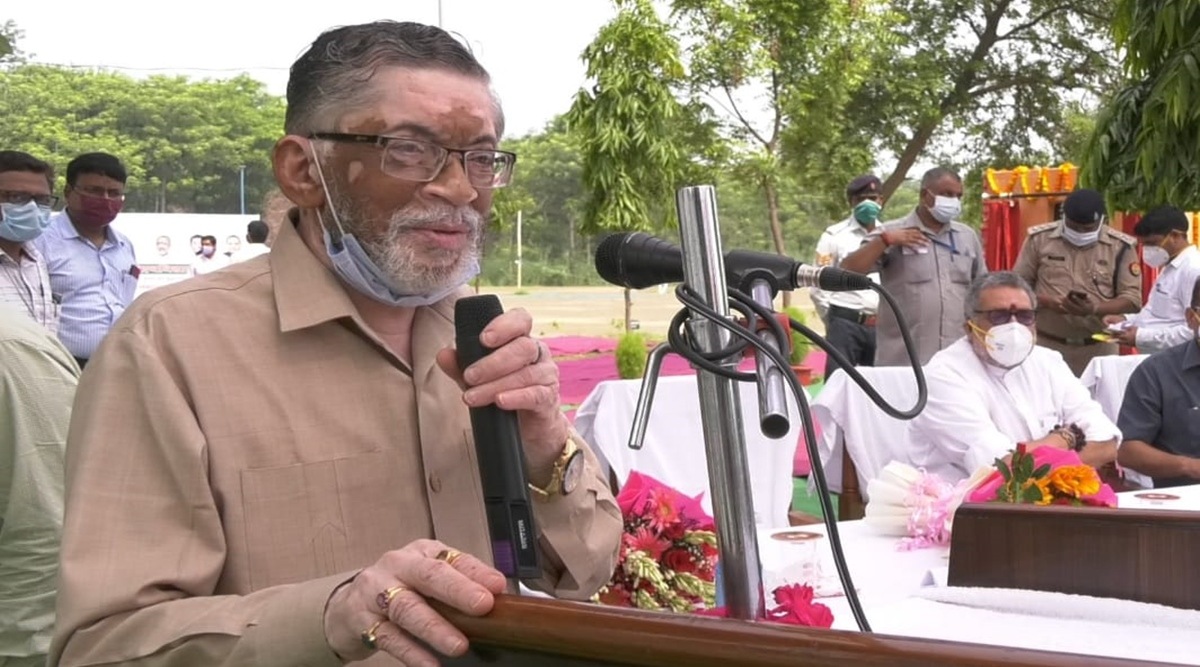
Santosh Kumar Gangwar's entry into active politics was a natural extension of his deep-seated commitment to public service. Drawn to the Bharatiya Janata Party's vision of cultural nationalism, disciplined governance, and grassroots development, he became an active party worker in Uttar Pradesh during the formative years of the BJP's organizational expansion.
His early political career was characterized by meticulous grassroots work — engaging with communities at the district and block levels, understanding the pulse of rural and semi-urban India, and building the organizational foundations that would sustain his political career for decades. Unlike many who enter politics through inheritance or circumstance, Gangwar's rise was organic — earned through consistent engagement with the electorate and demonstrable commitment to their welfare.
His association with the BJP was not merely organizational; it was ideological. He embodied the party's emphasis on disciplined governance, social harmony, and development-oriented politics. This alignment between personal conviction and party ideology would prove instrumental in his selection as a candidate for Bareilly — a constituency that would become synonymous with his political identity.
The transition from grassroots organizer to parliamentary aspirant marked a critical juncture. It required not just electoral strategy but a comprehensive understanding of Bareilly's socio-economic dynamics, its aspirations, and its challenges — all of which Gangwar had internalized through years of direct engagement with the people.
Within the Bharatiya Janata Party, Santosh Kumar Gangwar's trajectory was one of steady, merit-based ascension. His organizational acumen, ability to navigate complex intra-party dynamics, and consistent electoral performance in Bareilly established him as one of the party's most reliable leaders in Uttar Pradesh — a state that is pivotal to any national political strategy.
His elevation to the position of Chief Whip in the 14th Lok Sabha was a testament to the trust reposed in him by the party leadership. The role of Chief Whip demands not just political skill but an intimate understanding of parliamentary procedure, coalition management, and the delicate art of ensuring legislative cohesion across a diverse parliamentary party. Gangwar excelled in this role, demonstrating a capacity for behind-the-scenes leadership that is often more impactful than public-facing political activity.
His appointment as Minister of State (Independent Charge) for Labour & Employment in 2017 marked the culmination of decades of dedicated party service. This portfolio was particularly suited to his temperament and expertise — requiring a deep understanding of India's complex labour ecosystem, sensitivity to worker welfare concerns, and the administrative capacity to drive legislative reform at a national scale.
"A leader's true measure lies not in the power they hold, but in the lives they touch and the institutions they strengthen. Public service is a sacred trust — one that demands integrity, accessibility, and an unwavering focus on the welfare of every citizen."
— Philosophy of Santosh Kumar GangwarAt the core of Santosh Kumar Gangwar's political philosophy lies the conviction that governance must be accessible, accountable, and oriented towards the most vulnerable sections of society. Having witnessed the challenges faced by workers, farmers, and marginalized communities throughout his career, he has consistently advocated for policies that bridge the gap between governmental intent and ground-level impact.
His leadership style is defined by patience, consensus-building, and institutional respect. Rather than pursuing dramatic gestures, Gangwar has always favoured the methodical, sustained approach to governance — understanding that lasting change requires the strengthening of institutions, the reform of outdated frameworks, and the creation of sustainable policy mechanisms that outlive individual tenures.
This philosophy was most visibly manifest during his tenure as Labour Minister, where he oversaw the transformation of India's archaic labour regulatory framework into a modern, comprehensive code system. The deliberative approach he adopted — engaging with trade unions, employer associations, state governments, and international bodies — exemplified his belief that good policy emerges from inclusive dialogue rather than top-down imposition.
As Governor of Jharkhand, this philosophy continues to guide his engagement with state affairs — serving as a constitutional custodian who prioritizes institutional integrity, developmental equity, and the empowerment of tribal and marginalized communities in one of India's most resource-rich yet economically challenged states.